Wild Boar Hunting in Sweden – A Practical Guide for Danish Hunters

Sweden is an obvious hunting country for Danish hunters, and the wild boar is one of the species that draws many across the Øresund. The hunt can take place as stand hunting at bait, stalking, or driven hunts with dogs, and the Swedish populations offer a hunting experience that is only available to a limited extent in Denmark.
However, a Swedish wild boar trip requires more preparation than packing the rifle in the car. You need to have control over the Swedish hunting license, hunting rights, weapon importation, hunting seasons, tracking dogs, technical aids, and handling of the meat after the kill.
This guide is written based on the rules as of September 2026. Swedish hunting and weapon rules can change, so always check with the Swedish Environmental Protection Agency (Naturvårdsverket), the Swedish Police Authority (Polismyndigheten), and the Swedish Customs (Tullverket) before departure.
Are Danish hunters allowed to hunt in Sweden?
Yes. A Danish hunter can hunt in Sweden if the Swedish requirements are met and the person has legal access to hunt on the specific area.
The right to hunt basically follows the property and can be leased or delegated. An invitation from a hunting host or a valid hunting arrangement therefore provides the practical access to the hunt, but does not replace the other personal requirements.
Swedish State Hunting Card
Anyone hunting in Sweden must, as a general rule, have paid the Swedish game management fee and possess a state hunting card.
The Swedish Environmental Protection Agency’s Hunter Register has a solution for foreign hunters. The state hunting card must be carried during the hunt.
Since the 2021/22 hunting year, the Swedish fee has been 400 SEK, but check the current amount when paying.
Does a Danish hunter need a Swedish hunter examination?
A foreign hunting test is not automatically registered as a Swedish hunter examination (jägarexamen). For a Danish guest hunter, however, it is usually not a requirement to take the Swedish hunter examination just to participate in a legal, temporary hunt with a weapon that is legally imported according to the rules.
The Swedish hunter examination is particularly central for people who want to apply for a Swedish weapons permit for their own hunting weapon in Sweden.
For specific hunting arrangements, you should follow the hunting host's requirements and have documentation for your Danish hunting license and weapon status with you.
Weapons to Sweden – rules changed in 2026
From June 1, 2026, the Swedish rules for temporary importation were changed.
A person with a valid European Firearms Pass can, under the new Swedish rules, bring the weapons listed in the pass, as well as associated ammunition and silencers, to Sweden for temporary use for hunting or competition without a separate Swedish import permit, provided the conditions are met.
You must bring documentation that the items will be used for hunting or competition in Sweden.
The import must still be reported to the Swedish Customs (Tullverket).
European Firearms Pass
The European Firearms Pass is a travel document for the weapons listed in the pass. It is not in itself a hunting permit or hunting right.
Before the trip, check that the specific rifle is registered in the pass, that the pass is valid, and that the information is correct.
Also, remember Danish weapon legislation during transport to and from Sweden.
Documentation for the hunt
Under the new exception, the Swedish police require documentation that the weapon will be used for hunting or target shooting.
This could, for example, be a hunting invitation, booking, or other written documentation from the hunting host.
Save the document on your phone and preferably as a physical copy together with the weapons pass.
Hunting periods for wild boar in Sweden
Swedish wild boar hunting seasons differ from Danish hunting seasons.
According to current Swedish rules, wild boar – apart from a sow accompanied by striped or brown piglets – may be hunted from April 1 to January 31. Wild boar yearlings have an open season all year round, from July 1 to June 30.
A sow accompanied by small, striped, or brown piglets does not have a general hunting season and must be spared.
Therefore, it requires good observation and secure assessment before the shot.
Why must one be able to assess gender and age?
Wild boar can be difficult to judge in the dark. A large single pig is not automatically a boar, and a sow can move some distance away from her piglets.
At the bait site, you should therefore observe the group long enough to understand the composition before choosing an animal.
Young animals in a herd are often easier to select safely than a large animal where gender and family relationships are unclear.
The social structure of the wild boar
Sows and younger animals often live in family groups. Older boars are more likely to be solitary and seek out the groups in connection with reproduction.
The social structure makes it important to avoid indiscriminate culling of lead sows.
Good wild boar hunting is therefore not just about getting a chance, but about choosing the right animal.
Bait hunting
Stand hunting at a bait site (åtel) is one of the most common Swedish hunting forms for wild boar. A well-functioning bait site gathers the animals at a known location, where the hunter can observe them and choose a safe shooting direction.
On April 1, 2026, Sweden introduced new rules regarding baiting and the use of bait sites for cloven-hoofed game hunting. In areas with a local ban on supplementary feeding, there may be a limit of, for example, a maximum of three kilos of feed per 24 hours at a bait site for hunting.
There may also be restrictions on the type of feed and placement. Ask the hunting host what local rules apply.
Night vision, thermal scopes, and illumination
When hunting wild boar at a bait site in Sweden, night vision, thermal scopes, as well as fixed and mobile illumination are permitted according to current Swedish rules.
This makes night hunting more effective, but does not change the safety requirements. A thermal image shows heat, but does not automatically provide information about what is behind the animal.
Backstop and a known shooting direction are therefore at least as important in the dark as in daylight.
Know the bait site in daylight
If you are to hunt from a Swedish bait site at night, you should see the place in daylight first.
Find the tower or hide, check safe and unsafe shooting directions, measure distances, and identify roads, buildings, and terrain behind the feeding site.
It is far easier to understand the landscape in daylight than through night optics.
Tracking dog in Sweden
When hunting, among other things, wild boar, a dog specifically trained to track injured game must be able to be at the shooting site within a maximum of two hours after the shot is fired.
This is therefore something that must be planned before the hunt – not only after a poor shot.
Ask the hunting host who is responsible for tracking and how to contact them.
Shooting at wild boar
Wild boar are compactly built, and the vital organs are located further forward than some deer hunters intuitively expect.
From a broadside angle, the primary target area is in the front part of the chest cavity. The shoulder region is strong, and a suitable hunting projectile is important.
Avoid shooting at animals in a dense herd if there is a risk of hitting an animal behind them.
Wild boar in motion
On driven and dog hunts, wild boar can appear quickly. This requires a different shooting technique than stand hunting.
If you are not trained in shooting at running game, be conservative with your shot opportunities. A wild boar passing through vegetation gives very little time to assess gender, background, and any animals behind it.
Safe identification comes before the shot.
Swedish hunting culture on driven hunts
The instructions (parole) must be taken literally. They can determine which animals may be shot, how many shots may be fired, which angles are allowed, and how to act after the shot.
Even though Swedish and Danish hunting cultures are similar, local routines can differ.
Ask if anything is unclear before the drive starts.
Hunting radio
On Swedish driven hunts, hunting radios are very common. Check the frequency, channel, and practical signals in advance.
A radio is not a substitute for visual safety rules, but it can be crucial for coordination between posts, dog handlers, and the hunt leader.
Trichinella – wild boar meat must be tested
Wild boar can carry Trichinella, a parasite that can infect humans through insufficiently heat-treated meat.
Wild boar meat should therefore not be eaten or passed on until an official Trichinella result is negative.
In Sweden, the National Veterinary Institute (SVA) performs, among others, accredited Trichinella analyses. From August 1, 2026, SVA will no longer accept meat samples that have been deep-frozen before analysis; the sample must be fresh.
Can you take the wild boar to Denmark?
The Danish food authorities state that a hunter can take a shot animal to Denmark and have it examined there, or have it analyzed at an official laboratory in the country where the animal was shot.
It is the hunter's responsibility that an animal susceptible to Trichinella is examined correctly.
If you want to take meat or an entire carcass across the border, you should check the current rules for animal products and any disease restrictions just before traveling.
African swine fever and other disease rules
Rules regarding the transport of wild boar, meat, trophies, and equipment can change quickly in the event of outbreaks of African swine fever or other diseases.
Therefore, you should not base your trip solely on an old hunting guide. Check with Swedish and Danish veterinary authorities before returning home.
Clean footwear, knives, and other equipment, especially if you are subsequently going to move in areas with domestic pigs.
Hygiene after the shot
Wild boar should be field-dressed and cooled effectively. The thick body retains heat well, and a large boar or sow can be slow to cool down.
Work cleanly, avoid contaminating the meat with intestinal contents, and ensure rapid cooling.
If the animal is to go to a game processing facility or be sold, Swedish rules for further handling apply.
Equipment for Swedish wild boar hunting
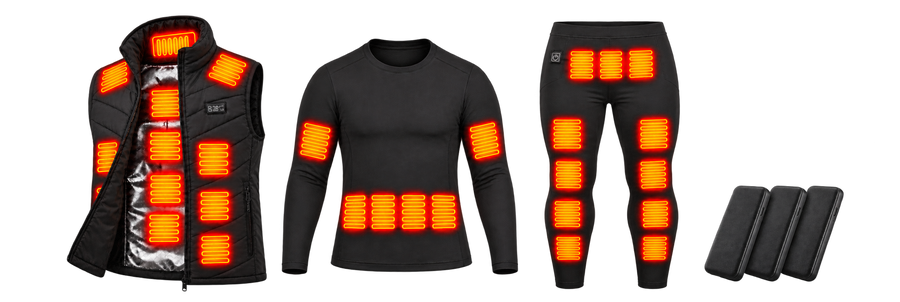
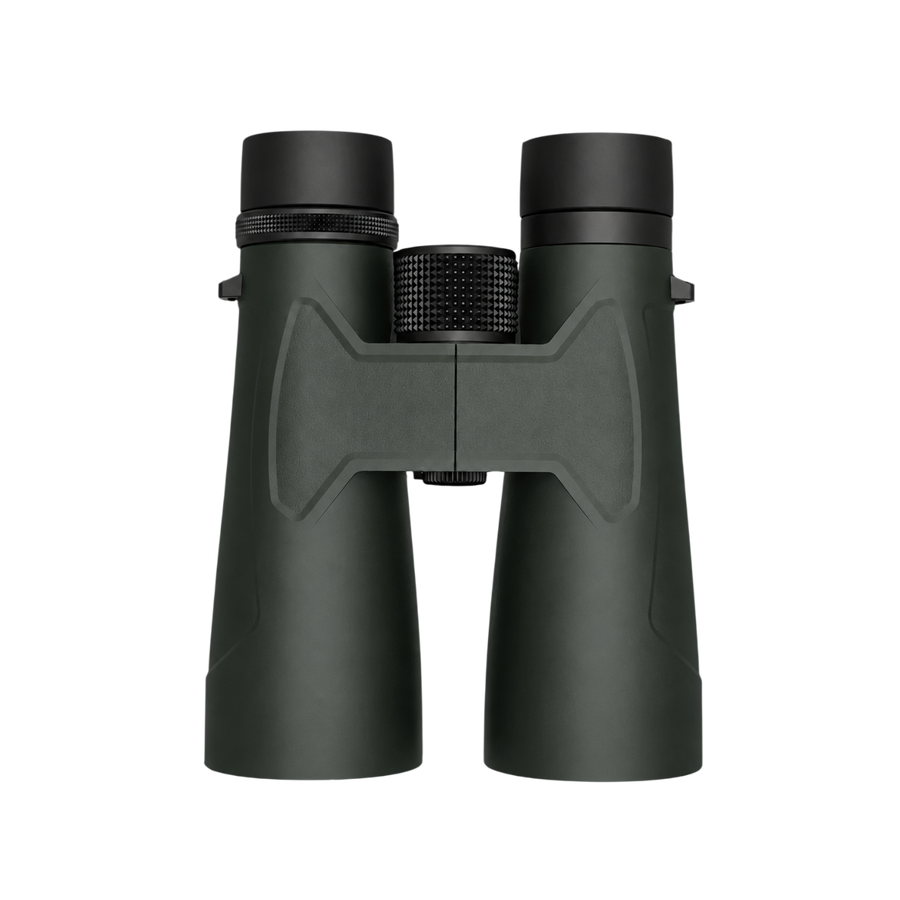
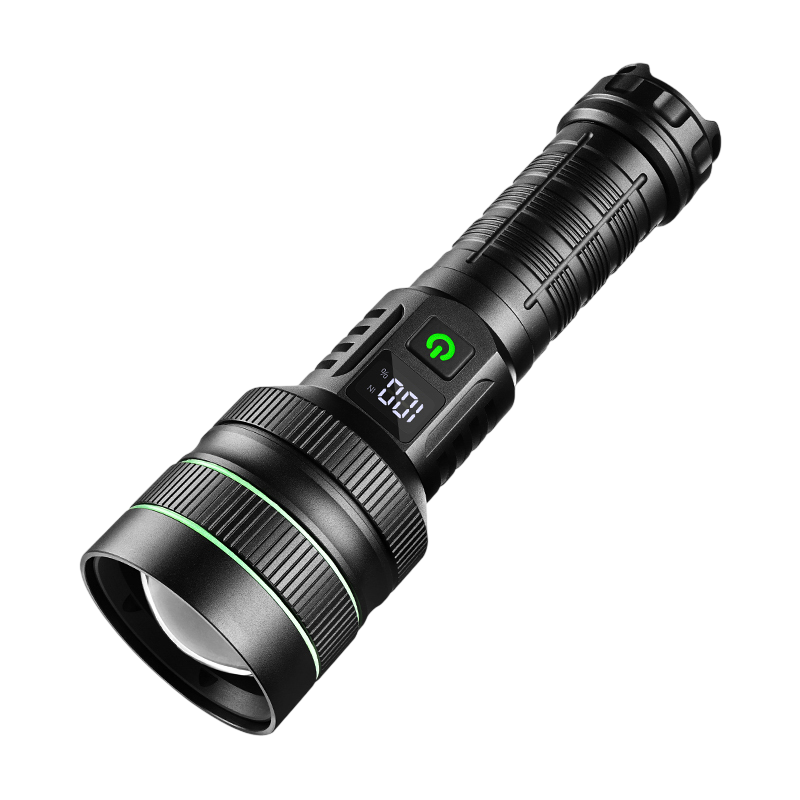
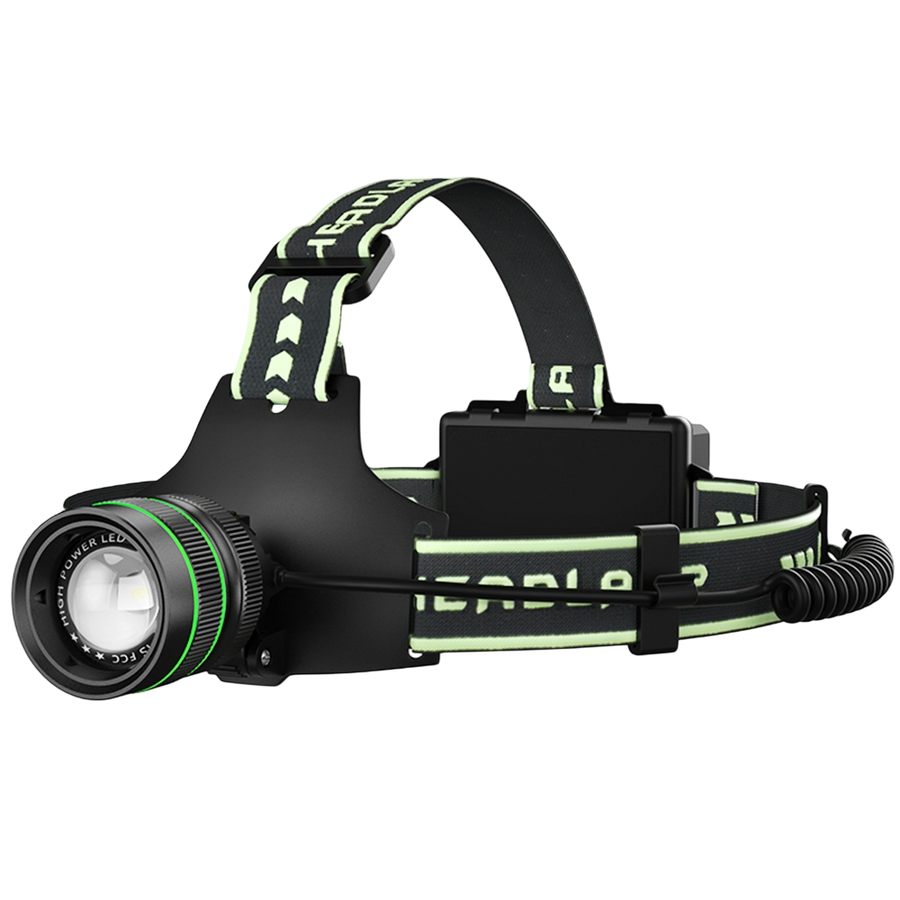
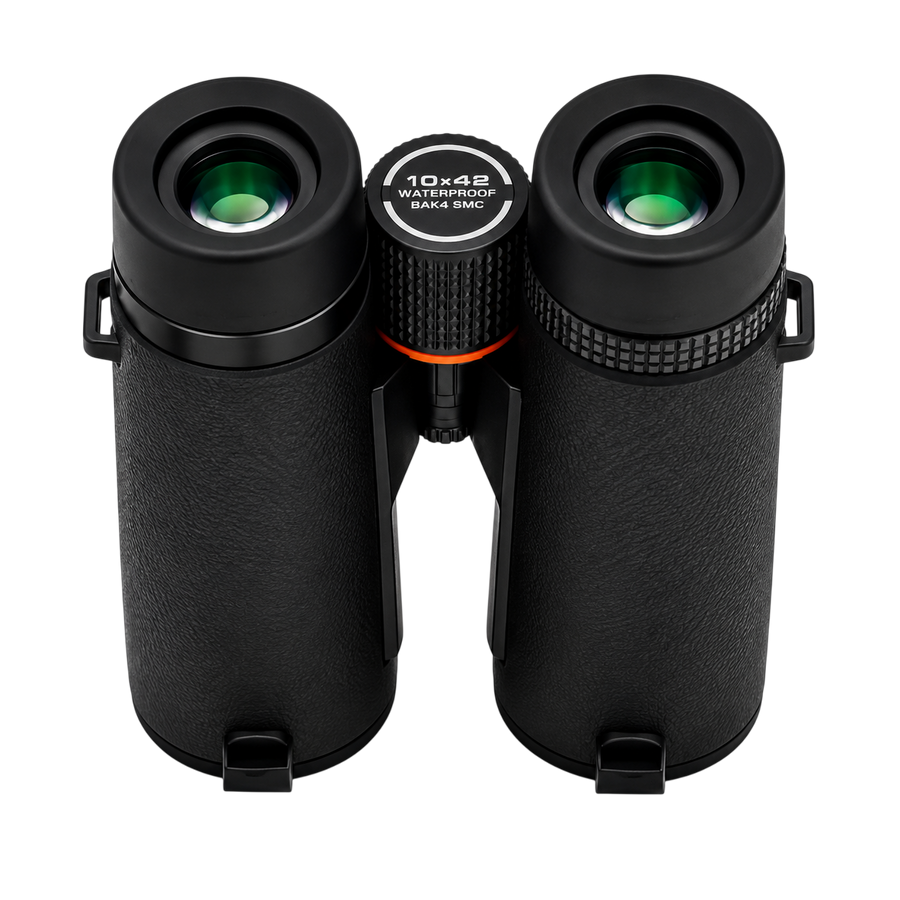
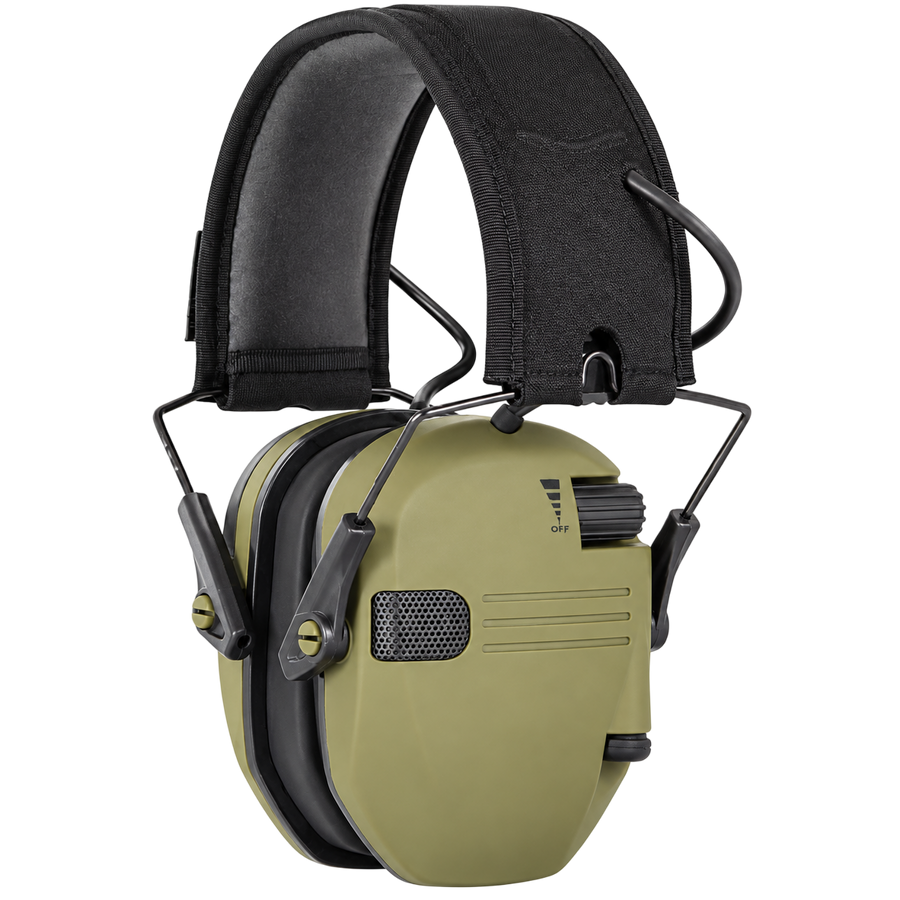
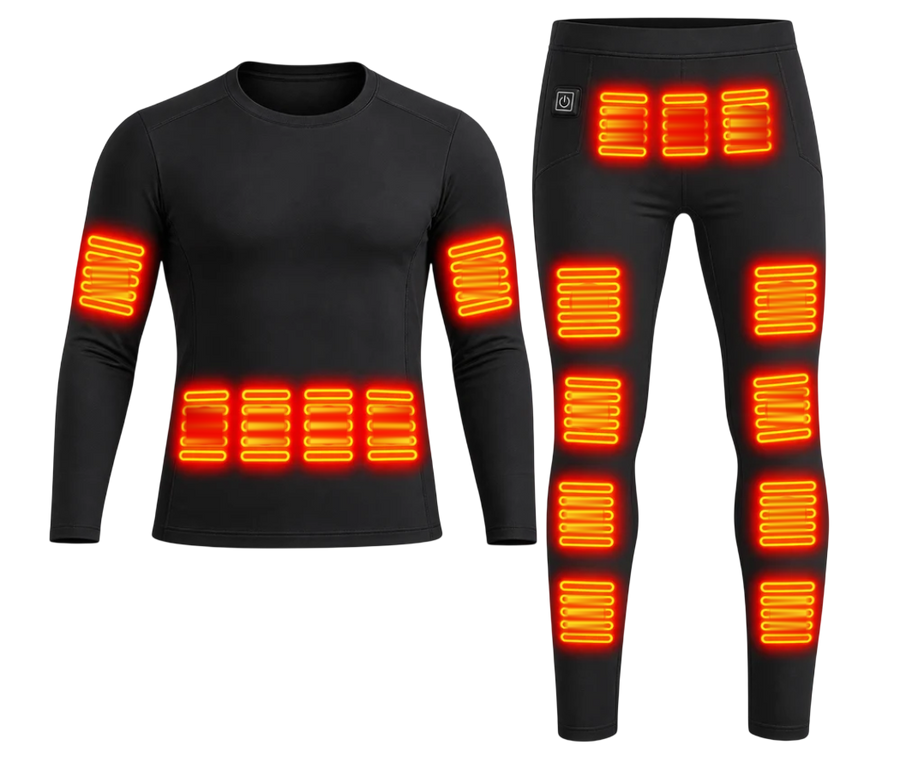
The specific packing list depends on the hunting form. For a nightly bait hunt, many will prioritize warm clothing, binoculars or suitable night optics, a headlamp or flashlight for transport and tracking, distance awareness, and quiet footwear.
For driven hunts, a radio, visible safety clothing, and possibly extra ammunition as instructed by the hunt leader are added.
The most important thing is that the equipment supports safe identification and safe shot delivery.
Insurance
Check that your hunting liability insurance covers in Sweden and the specific activity. Bring documentation if the hunting organizer requires it.
A paid Swedish hunting card is not the same as private liability insurance.
Five things to clarify with the hunting host
Before the trip, you should know the hunting season and permitted culling, local baiting practices, the procedure for tracking, the rules for who keeps the meat, and which documents the host expects to see.
Also, agree on the handling of Trichinella samples. It is much easier to have a plan before the animal is on the ground.
Frequently asked questions about wild boar hunting in Sweden
Does a Danish hunter need a Swedish hunting card?
Yes, the Swedish game management fee and the state hunting card are generally required for anyone hunting in Sweden.
Do I need a European Firearms Pass?
It is the central documentation for temporary importation under the Swedish exception that applies from June 1, 2026. The weapon must be listed in the pass, and the importation must be reported to the Swedish Customs.
Is it allowed to use a thermal scope on wild boar?
When hunting wild boar at a bait site, thermal scopes, night vision, and illumination are permitted according to Swedish rules. Always check the current regulations.
When may wild boar be hunted?
Wild boar, apart from a sow with small striped or brown piglets, have a general hunting season from April 1 to January 31. Yearlings can be hunted all year round according to the Swedish hunting season structure.
Must wild boar meat be tested for Trichinella?
Yes, wild boar meat must be handled with the Trichinella risk in mind and should not be eaten or passed on without a negative official analysis.
Must there be a tracking dog?
When hunting wild boar, a suitable, specially trained dog must be able to be at the shooting site within a maximum of two hours after a shot is fired.
Prepare the paperwork as thoroughly as the rifle
A good Swedish wild boar trip begins at home. When the hunting card, weapon papers, customs declaration, hunting invitation, tracking plan, and meat handling are clarified, you can concentrate on what you came for: the hunt.
Sweden provides excellent opportunities for wild boar hunting, but the best trips are those where both hunting craft and rules are in place before darkness falls.
Important disclaimer: All rules in this article relate to Swedish legislation and can change. Always check with the Swedish Environmental Protection Agency, the Police Authority, Swedish Customs, and SVA directly before planning a specific hunting trip to Sweden.
Cover photo: Richard Bartz, CC BY-SA 2.5, via Wikimedia Commons (source)