Red deer are Denmark's largest deer species and one of the most distinctive animals in the Danish landscape. An adult red deer stag in autumn rut, roaring from the edge of the forest in the last light, is for many the very image of big game hunting in Denmark.
But red deer are more than large antlers and rutting roars. The species has a complex social structure, high habitat requirements, and a movement pattern that often crosses many properties. Therefore, hunting and managing red deer also place high demands on cooperation and long-term thinking.
In this guide, we cover the key concepts: the difference between a red deer stag, hind, and calf, herds, antler development, rut, food, tracks, hunting, and good management.
What is red deer?
Red deer is the general term for the species. The adult male is called a red deer stag or simply a deer, the female is called a hind, and the young animal is called a calf.
A young male with its first simple antler is often referred to as a spike deer.
It is worth knowing the terms, because hunting seasons and culling plans can distinguish between different sex and age categories.
Red deer are significantly larger than both roe deer and fallow deer. This is noticeable both in the terrain, in the tracks, and in the way the animals move through the landscape.
Where do red deer live in Denmark?
Red deer are particularly associated with larger forests, plantations, moors, and agricultural areas, where the animals can alternate between cover and food.
The species is found in several places in Denmark today and has spread over the past few decades. Large, contiguous natural areas provide particularly good conditions, but red deer can also live in mosaic landscapes with forest, fields, hedges, and open areas.
An important characteristic of red deer is that they can move over large areas. An animal that stands on one property during the day may forage several kilometers away at night.
Therefore, it rarely makes sense to consider a red deer population as belonging to a single territory.
The red deer stag – the male deer
The adult red deer stag is the most striking animal in the population.
The deer carries antlers, which are cast and regrown every year. In summer, the antlers develop under velvet, which supplies the growing tissue with blood and nutrients.
When the antlers are fully developed, the velvet dries and is rubbed off on trees and bushes.
In late summer and autumn, the deer stands with the finished, hard antlers, which play an important role during the rut.
The hind – the adult female deer
The adult female is called a hind.
Hinds often live in family groups together with the year's calf and other related female deer. The social groups can be small or gather in much larger herds depending on the season, food, and local population density.
An experienced hind can play an important role in the group's behavior. She knows the terrain, escape routes, and safe resting places.
This is one of the reasons why the culling of deer should be about more than just the number of animals.
The calf
Red deer calves are typically born around May and June.
In the early period, they often lie hidden in the vegetation, while the hind forages nearby. Later, the calf follows the hind closely and joins the herd's movements.
The calf is dependent on its mother far into its first life, and the connection between hind and calf is important to understand during hunting.
When culling male deer, you should therefore always keep track of whether a calf is following.
What is a herd?
A group of red deer is called a herd.
Outside the rut, the sexes often live partially separated. Hinds, calves, and younger female deer can form family groups, while the stags move in their own herds.
The size can vary from a few animals to large gatherings.
Social structure is one of the clear differences between red deer and roe deer. Roe deer are more territorial at certain times of the year, while red deer are to a greater extent adapted to a life with many of their own kind around them.
The red deer rut
The rut is the most dramatic period of the year for red deer.
In Denmark, it is particularly associated with September and October. The adult deer seek out rutting areas and try to gather and keep groups of hinds.
The deer mark themselves with deep roars, scent, and physical presence. Rival stags assess each other, and in some cases, the encounter ends in an actual fight.
A hind is only receptive for a short period. If she does not become pregnant, she can come into rut again about three weeks later.
Why does the red deer stag roar?
The roar is communication.
It can signal the deer's presence to both hinds and rivals. The vocalization is part of the competition that takes place in the rutting grounds.
For humans, the roar is also the easiest way to discover red deer during this period.
A quiet forest can change its character in a few minutes when several deer answer each other in the dark.
The price of the rut for the deer
The rutting period is physically demanding.
A strong territorial stag spends a lot of time keeping the hinds together, rejecting rivals, and mating. Food intake can fall, while the activity level is high.
The Nature Agency describes that a weight loss of 15-20 kg during the rut is not unusual for a rutting deer.
Therefore, the adult deer enter the winter after a very energy-demanding period.
The antlers grow anew every year
The red deer stag's antlers are not permanent.
After winter, the old antlers are cast. Shortly after, a new one begins to grow.
During growth, the antlers are covered with velvet. The growth is fast and requires large amounts of nutrients.
When the antlers are finished, the deer rubs off the velvet. The visible rubbing marks on trees can be a sign of deer activity in the area.
Can you determine the age from the antlers?
Only to a limited extent.
Young deer follow some general development stages, but as the animal gets older, the variation is large. Antler size and the number of tines are influenced not only by age, but also by genetics, condition, food, and environment.
A large antler is therefore not a precise birth certificate system.
The living deer should be assessed based on a whole of body shape, behavior, and antlers – and still with a significant uncertainty.
What do red deer eat?
Red deer are herbivores and utilize a wide selection of food.
The food varies with the season and can include grass, herbs, shoots, leaves, bark, heather, cover crops, and forest fruits.
On agricultural areas, red deer can cause significant damage to crops. In forestry, browsing and bark stripping can also cause conflicts.
Management therefore is not only about hunting, but also about balance between population, nature, forestry, and agriculture.
When are red deer active?
Red deer are often most visible around dusk and dawn.
In areas with high human disturbance, the animals can become more nocturnal. This means that a large population can be difficult to see in the middle of the day, even if fresh tracks are everywhere.
In quiet areas, the animals can move more openly.
Weather, hunting pressure, food, and season also affect activity.
Tracks of red deer
Red deer leave large, clear hoof prints.
The print is generally significantly larger than roe deer and more elongated than a typical wild boar track.
In addition to hoof prints, you can look for:
- clear tracks
- excrement
- rubbed trees
- browsing and bark damage
- resting places
- muddy areas and hair on fences
In an area with a permanent population, the most used tracks often become very distinctive.
Mirror and characteristics
Red deer have a light area around the hindquarters, but not the same distinctive white mirror as roe deer.
Body size is often the easiest characteristic in itself.
From a distance, however, a young red deer calf or a smaller animal can be mistaken for fallow deer if you only see it briefly. Here, body shape, tail, color pattern, and the other animals in the group are useful.
Hunting red deer
Red deer are hunted both as single-person hunting and in group hunts.
Stand hunting is a classic method, especially when tracks, feeding areas, and resting places are known. Stalking can be effective if the terrain, wind, and cover make it possible to approach the animals without creating disturbance.
Driven hunting is also used for hoof game, where the goal is to get the animals quietly moving toward the blinds rather than pushing them at high speed.
Regardless of the hunting method, red deer require careful species, sex, and age identification before the shot.
Hunting seasons for red deer vary locally
Red deer are one of the areas where it is particularly important not only to remember a general date.
The Danish hunting season notification has general hunting seasons for different categories of red deer, but many areas have local hunting seasons that differ from the general ones.
Therefore, the hunter must always check the current hunting season for the specific property and region before hunting.
This applies especially to red deer stags.
Why are there local rules?
Red deer move across property boundaries and can have very different population structures from region to region.
Therefore, regional deer game groups have been established, which work with, among other things, population development, composition, and hunting ethics recommendations.
The goal is a more appropriate management than that which can be achieved if each individual property optimizes its own hunting alone.
Management is about sex and age – not just numbers
A population can be numerous and at the same time have an unsuitable structure.
If the culling, for example, is very hard on certain deer categories, there can be too few adult deer compared to hinds and young animals.
A long-term management therefore looks at:
- the size of the population
- the ratio between the sexes
- the age composition
- the carrying capacity of nature
- damage to forest and agriculture
- the health of the animals
This requires observations over several years.
Hunting ethics for red deer
A large animal does not only require a powerful rifle. It requires discipline.
Only shoot when the animal is safely identified, the shooting angle is defensible, and there is safe bullet capture.
If there are several animals standing in a herd, you must be sure that the projectile cannot hit another animal after passing through.
At the same time, be aware of the relationship between hind and calf.
And at the slightest doubt about a hit, the situation should be treated as a possible wounding and handled accordingly.
Observation during the rut
The red deer rut is also a great nature experience for people who do not hunt.
If you want to experience it, keep your distance. Stay on roads or larger paths, avoid entering the animals' central rutting area, and keep dogs on short leads.
Disturbances can cause the animals to move and affect their natural behavior.
The best view is often at sunrise and sunset.
Red deer and roe deer are very different
Even though both species belong to the deer game, their social lives are very different.
The roe buck is territorial in the spring and summer period. Red deer live to a much greater extent socially in herds and can gather in large groups.
Red deer are also significantly larger and often move over larger areas.
This makes management more dependent on cooperation between neighbors.
Body build and difference between deer and hind
An adult red deer stag is normally built significantly more powerfully than a hind. During the rut, the difference becomes particularly clear: the deer gets a massive neck and forepart, while the hind appears slimmer and without antlers.
In young animals, sex determination can be more difficult, especially from a distance and outside the antler period. Here, the hunter should take good time and compare the body with the other animals in the herd.
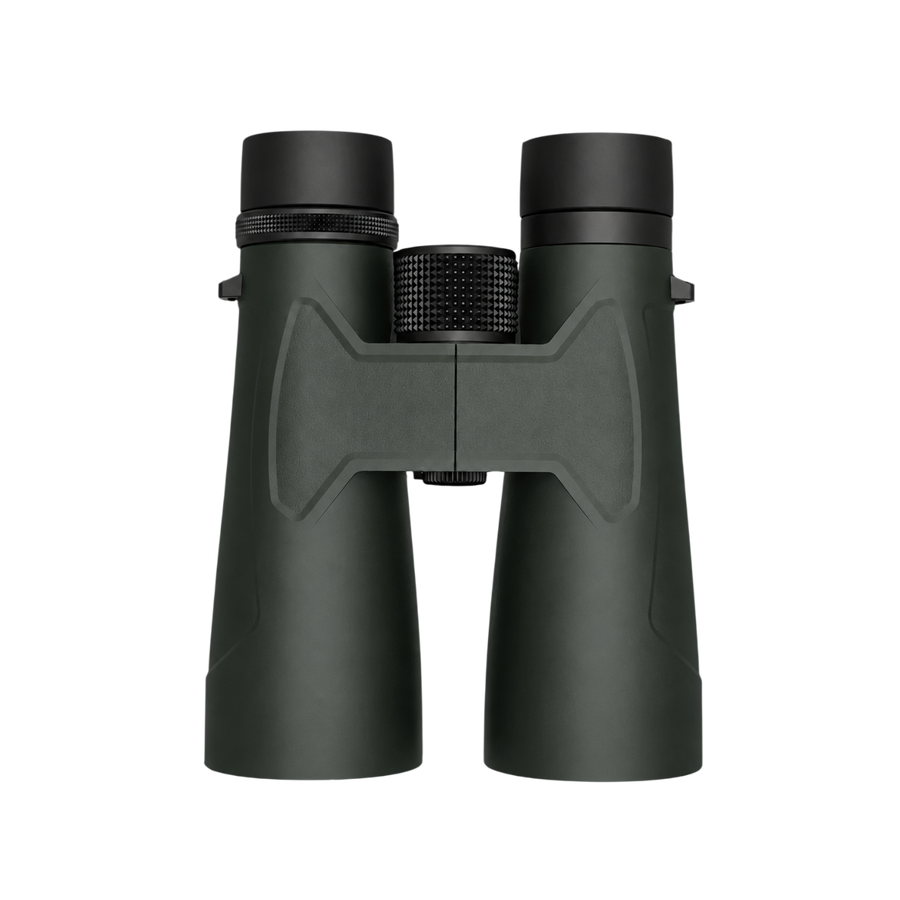
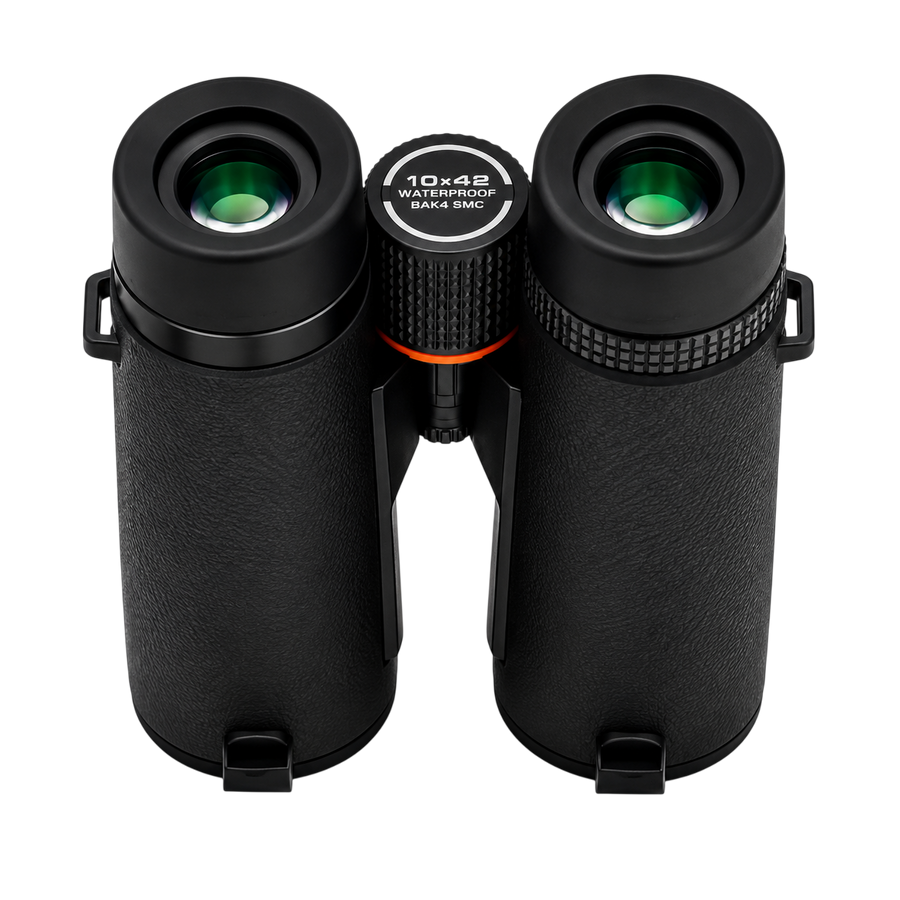
It is a good example of why a handheld binocular is important on deer hunting. The identification should happen before the rifle is raised.
Daily rhythm and human disturbance
The daily rhythm of red deer is flexible. Where the animals feel safe, they can be seen on open areas in daylight. In territories with a lot of traffic or hunting pressure, the activity is often shifted toward dusk and night.
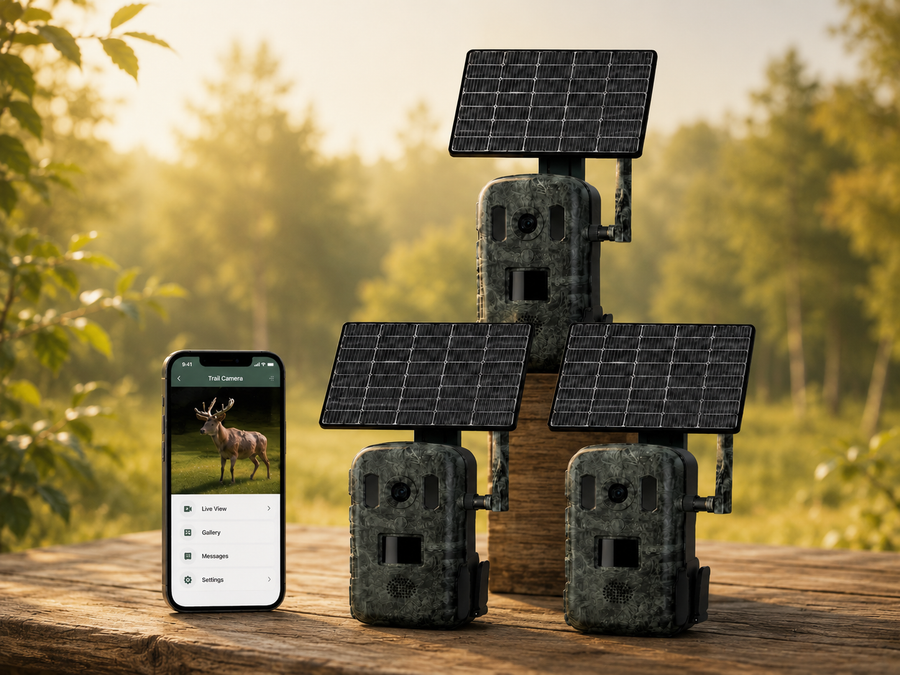
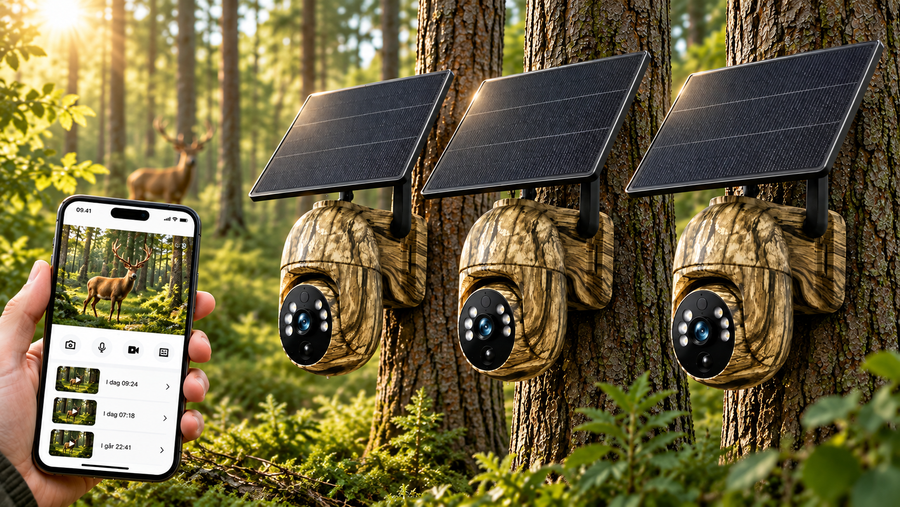
This means that observations in the middle of the day can greatly underestimate the population. Tracks, game cameras, and repeated observations at different times give a much better picture.
Too much control traffic on the territory and frequent disturbances of day cover can at the same time make hunting more difficult. The best monitoring is therefore not necessarily the one where you physically visit all areas every day.
Red deer and the landscape
Large red deer populations can clearly affect their surroundings. The animals eat shoots and vegetation, move on the same tracks, and can strip bark from trees. On agricultural areas, they can seek food in large groups and create significant crop damage.
Therefore, there is no universal "right" number of red deer. A sustainable population depends on the landscape's food base, forestry, agriculture, traffic, nature goals, and the human tolerance for damage.
Good management tries to balance these considerations rather than simply maximizing the number of animals.
How to observe a herd
If you want to get to know red deer, start with the whole herd rather than immediately focusing on the largest deer.
Count the animals if conditions allow. Look for calves and younger female deer. Note who goes in front, and how the group reacts to disturbances. During the rut, you can follow how the deer works around the hinds and reacts to rivals.
If observations are repeated throughout the year, you get far more knowledge about the population than by only looking for trophy deer in the hunting season.
Why cooperation between neighbors is so important
Red deer can use large areas during a day and even larger areas throughout the year. A property can house the animals' day cover, while the neighboring property houses the most important feeding areas.
If neighbors work according to completely different goals, it becomes difficult to create a stable age and sex structure. Joint observations, clear culling goals, and dialogue about damage can therefore be at least as important as the individual hunting day.
Population data gets better over time
One observation says very little about a population. Repeated counts at the same time, registration of calves, sex distribution, and hunting yield can, on the other hand, create a pattern over several years. It does not need to be advanced research to be useful. A simple, consistent registration can give a far better basis for decisions than gut feeling alone.
Frequently asked questions about red deer
What is the male, female, and young called?
The male is called a red deer stag or deer, the female a hind, and the young animal a calf.
When is red deer in rut?
The rut takes place especially in September and October in Denmark, even though the precise course is influenced by area and weather.
When are red deer calves born?
Most calves are born around May and June after approximately eight months of pregnancy.
What is a herd?
A herd is a group of deer game. Red deer often live in herds, which can vary greatly in size throughout the year.
Do hinds have antlers?
No. It is the deer that carry antlers.
Does the red deer stag lose the antlers every year?
Yes. The old antlers are cast, and a new one grows under velvet.
Can you see a red deer stag's precise age on the antlers?
No. The antlers give certain landmarks, especially in young animals, but size and shape are influenced by far more than age.
Where may red deer be hunted?
It depends on hunting rights and local conditions. Hunting seasons can vary regionally, so the current rules for the area must always be checked.
Red deer require long-term thinking
Red deer is a species that clearly shows why wildlife management does not stop at the boundary.
The animals move between forests, fields, and properties. They form large social groups. And the culling that is carried out in one place often affects the experience and the population in the neighboring territories.
The better one understands the species' biology, the better decisions can be made on hunting.
This applies both when choosing an animal for culling, when planning the hunting method, and when deciding not to shoot.
Cover photo: Bill Ebbesen, CC BY 3.0, via Wikimedia Commons (source)
Relevant equipment for observation and hunting
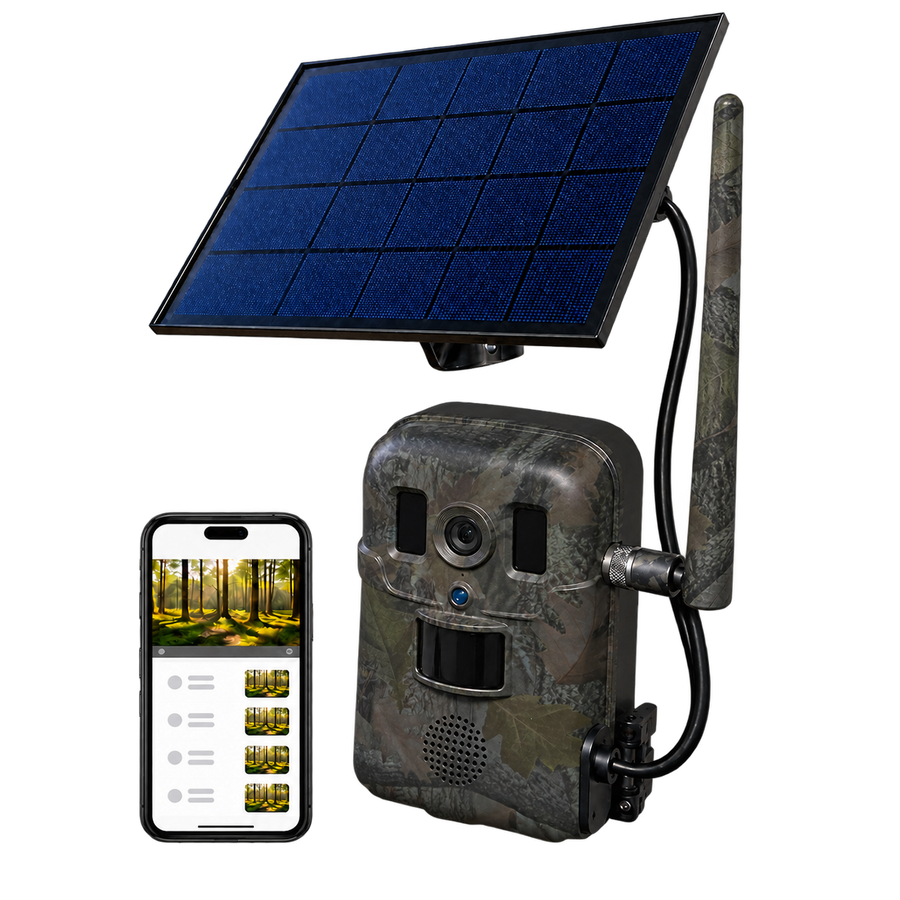
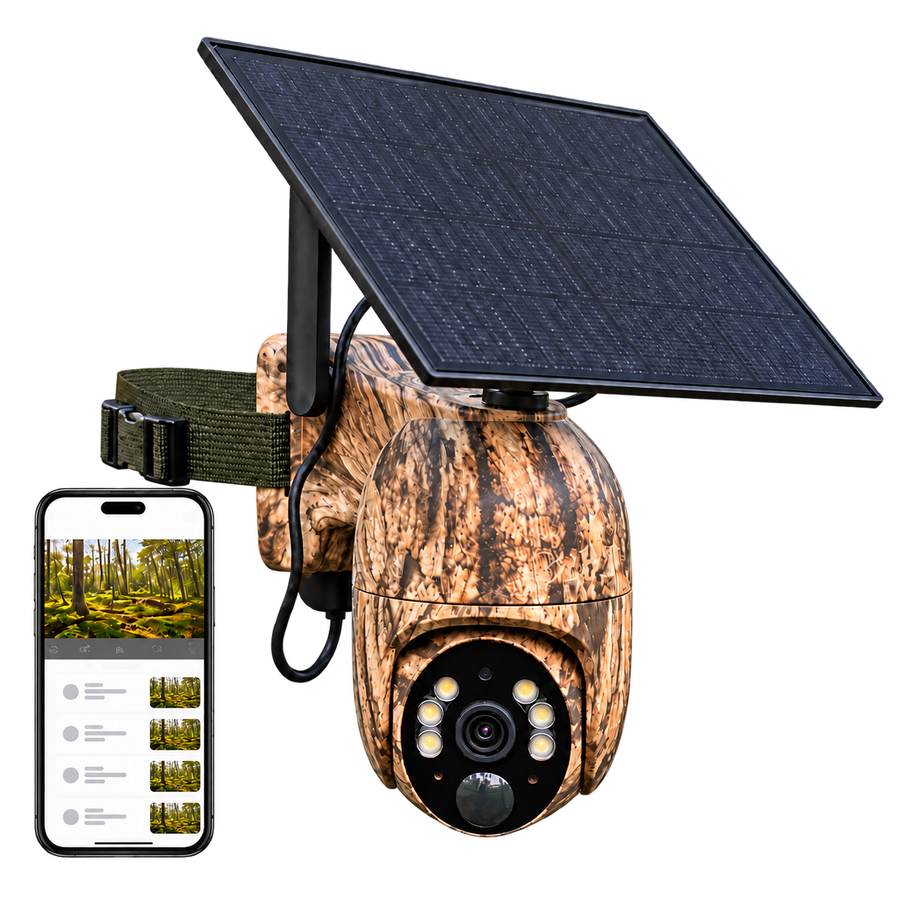
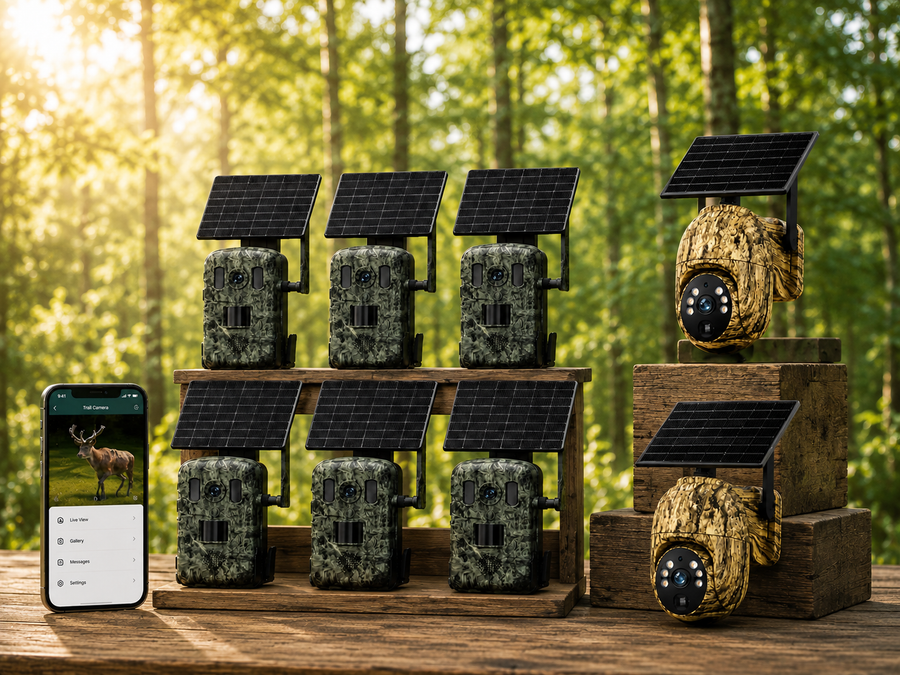
If you want to observe and identify game from a distance, you can see our binoculars for hunting and laser rangefinder. To follow activity on the territory when you are not present yourself, you will find our game cameras. If you are in doubt about model choice, you can also read our guides to 10×42 vs. 10×50 vs. 12×50 and choice of HuntLive camera.